
AI is often seen as a destination we are moving toward. However, it may be more accurate to see it as a threshold we are already crossing. AI is no longer just a tool we use occasionally. It is becoming part of how we think, decide, and act every day. As a result, the real question is no longer about what AI can do. It is about what kind of humans will shape what it becomes.

Breakdown:
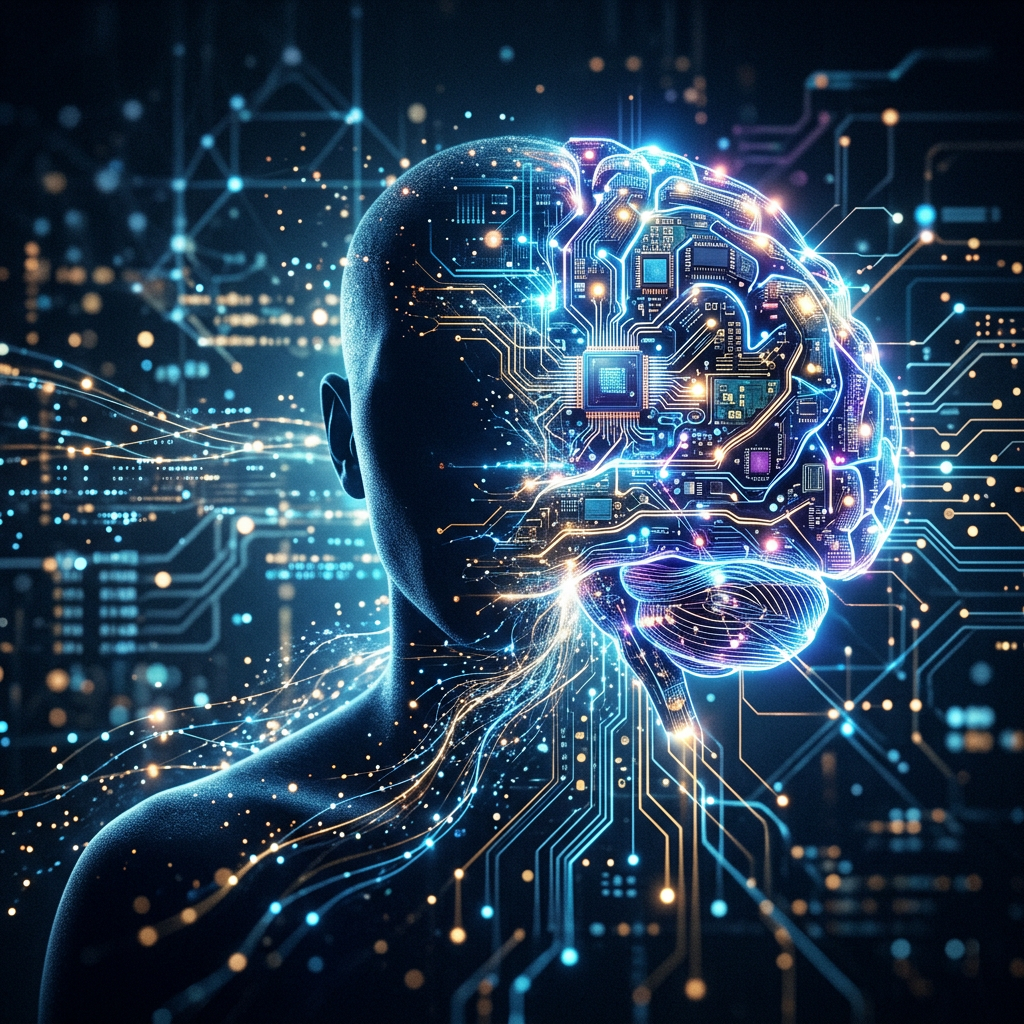
This moment is often described as a “hybrid future,” where human thinking and machine intelligence are deeply interconnected. The shift happens when AI moves from being an external tool to becoming part of the environment in which decisions are made. At that point, it does not just assist judgment. It begins to influence it.
This creates both opportunity and risk. On one hand, AI can increase speed, efficiency, and access to knowledge. On the other hand, it can weaken core human abilities such as attention, memory, and independent thinking if overused. As more cognitive work is delegated to machines, humans may lose practice in the very skills that define agency.
At the same time, this shift is happening alongside other global pressures. AI capabilities are advancing rapidly, while challenges like climate stress and institutional strain are also intensifying. This convergence increases the stakes. The systems we build today will not operate in isolation. They will shape and be shaped by the broader world.
There is no single path forward. Some approaches focus on building faster and scaling AI capabilities. Others call for slowing down or introducing stronger governance. There are also efforts to design safer and more aligned systems, as well as proposals to regulate compute power as a control point. Each path comes with trade-offs, and none is without risk.
However, one idea stands out. Instead of focusing only on building better machines, there is a case for investing equally in better humans. This means strengthening skills such as judgment, responsibility, and critical thinking alongside technological development. The goal is not to replace human capability, but to enhance it.
Why this matters:
This reframes the AI conversation. It is not just a technology debate. It is a human one. The outcomes of AI systems will reflect the values, incentives, and decisions of the people who build and use them. As a result, the quality of the future depends as much on human development as it does on technical progress.
The Big Picture:
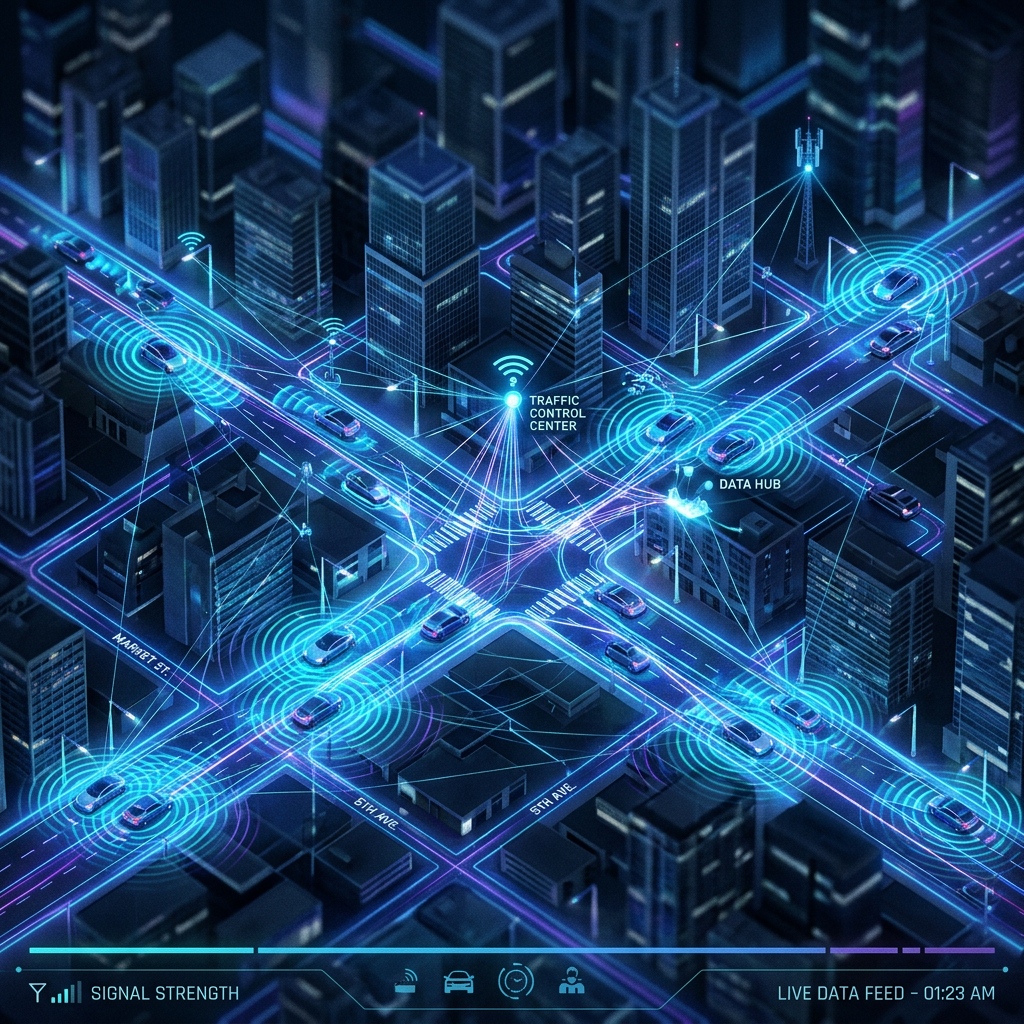
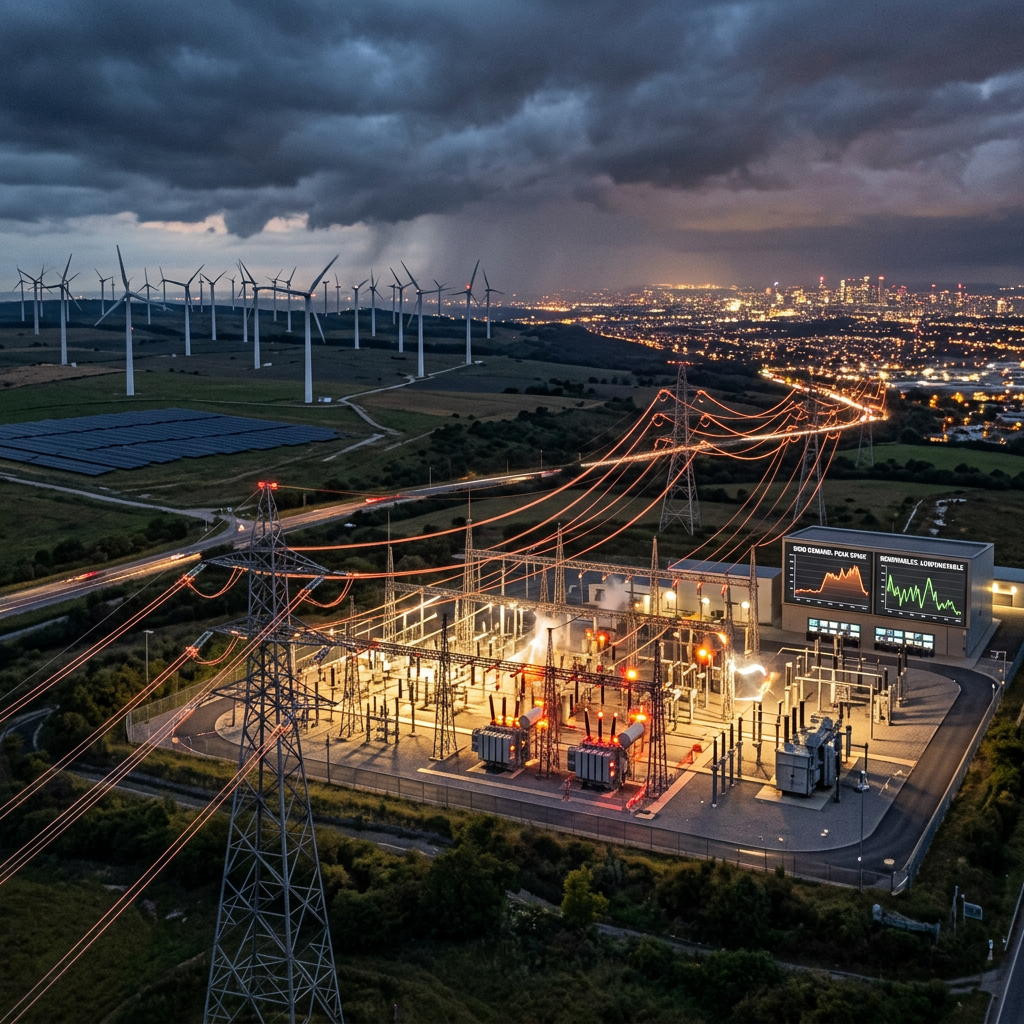
More broadly, this marks a shift from tool-based thinking to system-based thinking. AI is becoming part of the infrastructure of everyday life, similar to electricity or the internet. When that happens, its impact is no longer limited to specific tasks. It shapes behavior, institutions, and even how people perceive reality.
The Crunch:
The future of AI is not just about better machines. It is about whether humans stay strong enough to guide them.

Leave your thoughts