
India’s technology sector is entering a very different kind of growth cycle. Companies are still hiring, but they are no longer expanding teams the old way. AI, cloud, and cybersecurity roles are now driving most hiring demand, while routine execution roles are beginning to slow down. At the same time, the workplace itself is changing alongside hiring patterns. As a result, the shift is no longer just about jobs. It is also reshaping how companies use office space, build teams, and scale operations.

Breakdown:
According to the latest foundit IT Trends report, nearly 65 percent of India’s current tech hiring demand comes from AI, cloud, and cybersecurity roles. AI-first jobs alone account for more than 30 percent of new demand, while hiring for AI/ML engineers, data scientists, DevOps specialists, and Generative AI roles continues to grow rapidly.
This reflects a larger shift inside the industry. Earlier hiring cycles focused heavily on workforce scale and delivery capacity. Today, companies are becoming more selective, prioritising specialised technical capability over broad volume hiring. As automation improves, traditional support-heavy functions such as QA automation and IT support are seeing weaker demand growth. Consequently, hiring is increasingly concentrated around high-impact technical roles.
GCCs remain a major driver behind this transition, with their share of IT hiring rising from 41 percent in 2025 to 44 percent in 2026. However, startups, product companies, and digital-first businesses are also contributing to the broader shift toward capability-led hiring. Across the ecosystem, companies increasingly want smaller, stronger teams capable of owning products, infrastructure, and AI-enabled systems.
This hiring transition is also influencing geography. Delhi NCR has emerged as one of the fastest-growing major technology hubs, while Tier II cities are expected to contribute nearly 40 percent of incremental hiring activity. Lower operating costs, distributed work models, and better digital infrastructure are allowing companies to move beyond traditional metro concentration.
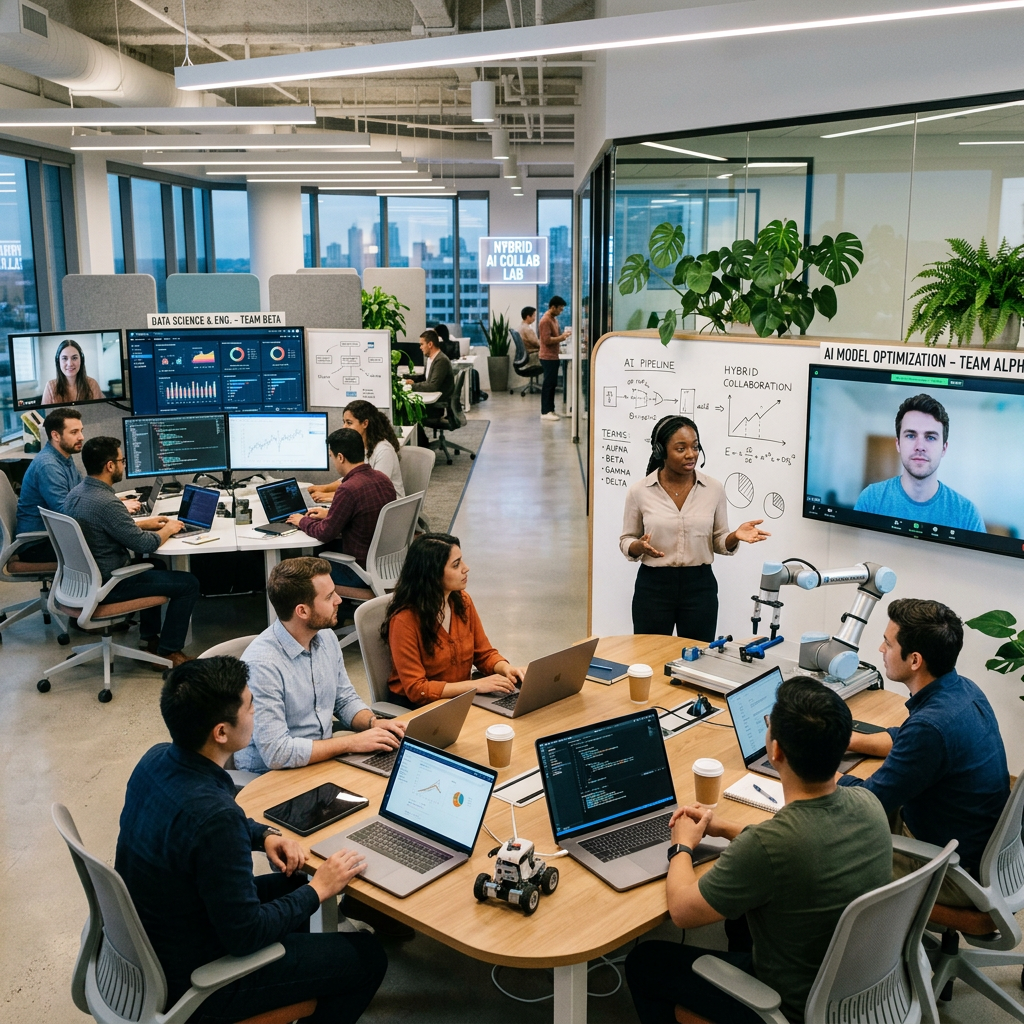
At the same time, workplace preferences are changing significantly. According to a separate myHQ report, nearly 73 percent of office searches in India now focus on flexible workspaces instead of traditional long-term office leases. Demand for coworking spaces, meeting rooms, and hybrid office environments has increased sharply, particularly among technology companies and GCCs looking for operational flexibility.
This suggests the industry is redesigning both workforce and infrastructure strategy together. Instead of committing heavily to large permanent office footprints, companies are increasingly optimising for flexibility, speed, and distributed collaboration. Hybrid work is no longer a temporary adjustment. It is becoming part of the operating model itself.
Another important change is around talent evaluation. Around 71 percent of employers now prioritise skills over degrees, reflecting how quickly technology requirements are evolving. In fast-moving sectors like AI and cloud computing, practical capability and adaptability are increasingly becoming more valuable than traditional qualification signals alone.
Why this matters:
This signals a structural transformation in India’s technology ecosystem. The industry is moving away from the old model built around workforce scale, fixed infrastructure, and repetitive execution work. Instead, companies are prioritising specialised talent, automation, and operational flexibility together.
The Big Picture:
India’s IT sector is gradually entering a post-volume era. AI is changing how work gets executed, while hybrid and flexible work models are changing how companies scale physical infrastructure. Over time, the strongest organisations may not be the ones with the largest campuses or biggest teams, but the ones that combine specialised talent, technology, and agility most effectively.
The Crunch:
India’s tech industry is not shrinking. It is becoming leaner, smarter, and far more intentional about how it grows.


Leave your thoughts