
Bengaluru is leading India’s office market again. However, this time the story goes beyond just real estate activity. Despite global uncertainty and ongoing geopolitical tensions, demand for office space has remained strong. At the same time, a new driver has clearly taken the lead. Global Capability Centres, or GCCs, are now shaping how and where companies expand. As a result, this is not just a market update. It is a signal of how global businesses are positioning India in their long-term strategy.

Breakdown:
India’s office market has shown strong momentum in the first quarter of 2026, with Bengaluru leading both leasing and supply. The city recorded nearly 4.9 million square feet of absorption, along with steady new completions. However, the bigger story lies in the composition of demand. GCCs accounted for nearly 53 percent of total leasing activity, making them the single largest driver of the market.
This shift reflects a deeper structural change. Earlier, office demand was largely driven by IT services firms, startups, and domestic corporates. Now, multinational companies are expanding their India presence through capability centres that handle critical functions such as technology, analytics, and operations. As a result, these centres are no longer just cost-saving units, but strategic hubs within global organizations.
Moreover, the broader market has remained resilient despite global headwinds. Total office absorption across major cities grew significantly compared to last year, supported by stable economic conditions, including steady GDP growth and controlled inflation. However, this growth has not been uniform. While leasing activity remained strong, new construction slowed down considerably, with completions declining sharply on a quarter-on-quarter basis. This cautious approach by developers reflects uncertainty around future supply.
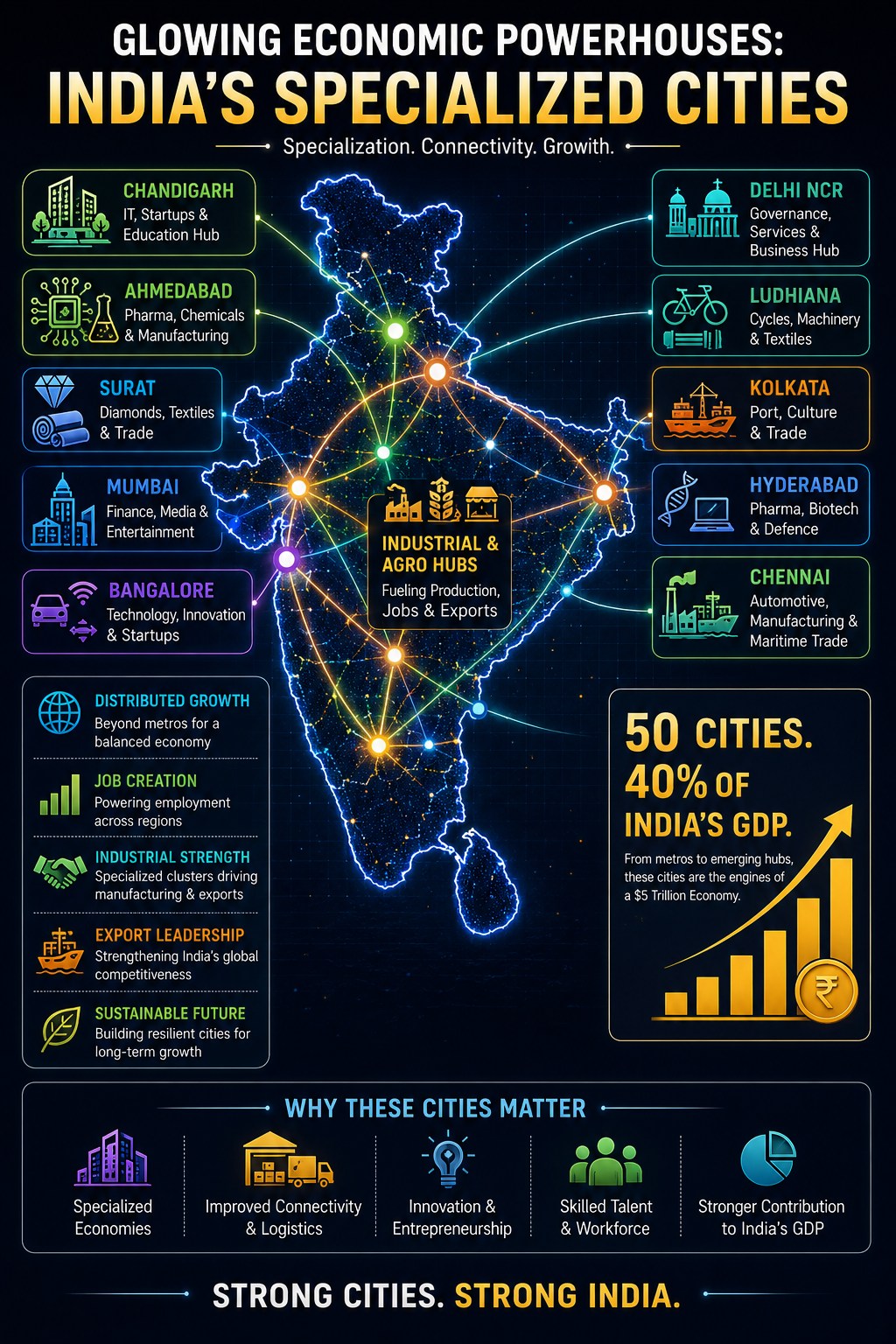
At the same time, this imbalance between strong demand and slower supply is beginning to tighten vacancies and push rents upward. For example, cities like Hyderabad have already seen noticeable rental growth, while Mumbai continues to remain the most expensive office market. Meanwhile, Bengaluru, Pune, and Hyderabad together account for a significant majority of GCC-driven demand, further strengthening their position as key business hubs.
Looking ahead, the next phase of growth is expected to be driven by more advanced GCC models. These include mid-sized and specialized centres focused on areas such as artificial intelligence and research and development. As companies continue to evolve their global operating models, India’s role is expected to expand even further.
Why this matters:
This is not just a strong quarter for real estate. It reflects a shift in how global companies are using India. GCCs bring long-term investments and higher-value work into the country. They also create stability in demand, which reduces volatility in the office market. At the same time, they open up better opportunities for talent within India. As a result, this trend strengthens both the business ecosystem and employment landscape.
The Big Picture:
India is steadily moving from being a cost advantage destination to a capability-driven hub. Global companies are no longer outsourcing work. Instead, they are building core functions here. This includes technology, analytics, finance, and innovation roles. As this shift continues, office markets will evolve alongside business needs. Cities that offer the right mix of talent, infrastructure, and scale will continue to attract global investment. For now, Bengaluru remains at the center of this transformation.
The Crunch:
In the end, this is not just a story about office space. Rather, it is a story about where global work is getting done. And increasingly, that work is being anchored in India.



Leave your thoughts