For years we treated hybrid work as the simple middle ground between office and remote. First it was about letting people work from home. Then it became about flexible hours. It sounded good on paper, and for a while it worked. But anyone running teams today knows the cracks by heart. Collaboration dipped. Culture faded. People felt disconnected. Now companies are realising that hybrid cannot just be flexible. It has to be intentional. Enter Hybrid 3.0, a version of work built around purpose, engagement and real human connection.

Breakdown:
Hybrid 1.0 gave people location flexibility. Hybrid 2.0 added flexible hours. Both versions solved the logistical parts of work but ignored the emotional and cultural side. Employees enjoyed autonomy, but teams became fragmented and collaboration weakened. Over time, organisations saw that flexibility without structure or shared purpose leads to a workplace that is comfortable but not cohesive.
Hybrid 3.0 changes the conversation entirely. Instead of asking where people work, it focuses on why they come together and how that time is used. Office presence becomes purpose driven instead of hours driven. Meetings and workshops are redesigned to spark creativity. Informal catch ups, mentoring and face to face collaboration become deliberate parts of the schedule. The goal is to restore the connective tissue that makes teams resilient and innovative.
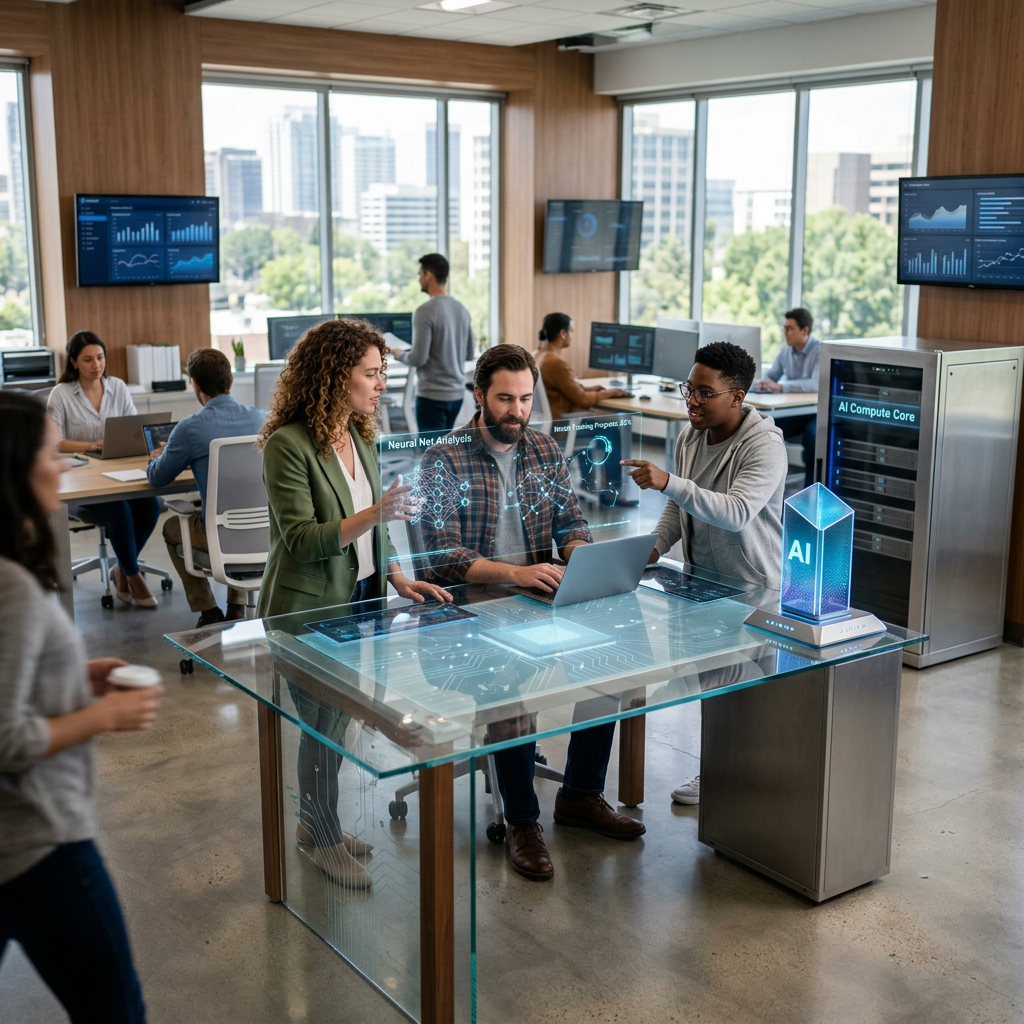
Technology is still central, but used more thoughtfully. AI assisted project management tools help teams prioritise and stay aligned without micromanagement. Interactive digital whiteboards help recreate the energy of in person brainstorming. These tools improve productivity and engagement, not just convenience.
But even the best technology fails if employees are not placed at the centre. Hybrid 3.0 requires investing in career growth, mental health support and burnout prevention. It also requires giving people the freedom to shape their workday in ways that fit their rhythm, while maintaining fairness and accountability.
The foundation of this model is a shared sense of purpose. When employees understand how their work connects to the organisation’s mission, trust grows and culture strengthens. Celebrating wins together, being transparent about challenges and consistently showing how individual contributions matter are essential behaviours in Hybrid 3.0.
Companies adopting this evolution of hybrid work are already seeing better retention, stronger engagement and more innovative teams. The future of work will remain flexible, but the real edge will come from organisations that design hybrid work with intention and purpose, not just convenience.
Why this matters:
The pandemic forced companies to rethink where work happens. Now they must rethink how work happens. Hybrid 3.0 recognises that flexibility alone does not create high performing teams. Purpose, connection and culture do. Organisations that invest in these elements will outperform those that treat hybrid as a scheduling policy.
The Big Picture:
Global workplace trends are converging toward models that balance autonomy with community. The next decade of work will not be defined by office days but by how effectively teams collaborate across distances and time zones. Companies that design purposeful hybrid environments will build stronger talent pipelines, more engaged employees and faster innovation cycles.
The Crunch:
Hybrid is no longer about location. It is about designing work that brings people together for the right reasons. The companies that understand this shift will dominate the future of work.


Leave your thoughts