
India’s employment landscape is shifting beyond traditional metro centres. Tier II and III cities recorded a 21 percent year-on-year surge in hiring during September, outpacing growth in major metros such as Delhi, Mumbai, and Bengaluru. According to the latest foundit Insights Tracker report, the rise reflects a deeper transformation in where India’s jobs are being created and how businesses are expanding their footprint.

Breakdown
Context:
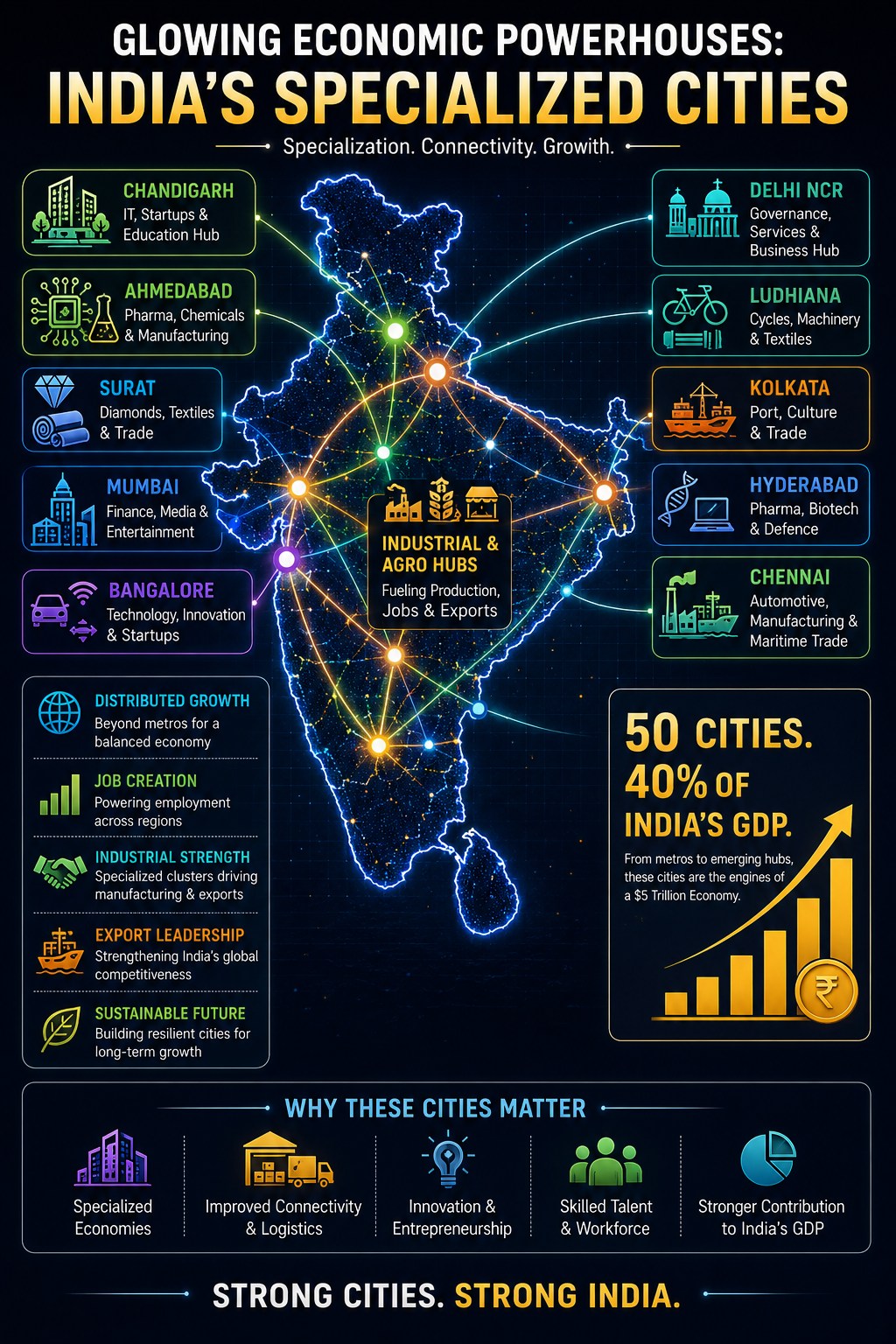
Smaller cities such as Jaipur, Lucknow, Coimbatore, Indore, Bhubaneswar, Kochi, Surat, Nagpur, and Chandigarh have emerged as key employment hubs. These locations are benefiting from the rapid expansion of e-commerce warehousing, retail distribution networks, customer service centres, and domestic tourism. The festival season has also driven temporary hiring in logistics and sales, further amplifying the demand for local talent.
Angles:
For companies, this shift represents both opportunity and necessity. As metros become more expensive and saturated, firms are exploring new regions to lower operational costs and tap into untapped talent pools. Improved infrastructure, hybrid work acceptance, and the rise of regional consumption are accelerating this trend. Sectors such as manufacturing, retail, BFSI, and IT support are particularly active in tier II and III clusters.
What’s Next:
Recruitment platforms expect the hiring momentum to continue through the festive quarter, especially with the growth of last-mile logistics and consumer demand. Long-term, these cities could become the backbone of India’s distributed workforce model, reducing dependence on metro-based employment. Governments and local bodies are also likely to focus on skill development and transport connectivity to sustain this growth.
Why This Matters
The rebalancing of India’s job geography signals a structural shift in the economy. Employment opportunities spreading beyond metros mean broader income distribution and stronger local ecosystems. For professionals, it opens new career possibilities closer to home. For companies, it redefines how they plan workforce strategy and operations.
The Big Picture
India’s growth story is increasingly being written in its smaller cities. With improving digital infrastructure, better housing, and expanding markets, tier II and III cities are no longer secondary choices. They are becoming strategic centres of production, consumption, and innovation. The trend marks an important step toward a more inclusive and balanced economy.
The Crunch
The next wave of growth will not come from glass towers but from emerging urban clusters that blend aspiration with affordability. Businesses that invest early in these cities will gain access to loyal talent, lower costs, and proximity to new consumers. The real competition is shifting from metro domination to regional expansion.



Leave your thoughts